October 12, 2026
Do You Need to Worry About Dental Implants Rusting?
If you are considering dental implants, you may have questions about how they hold up over time.

If you are considering dental implants, you may have questions about how they hold up over time.
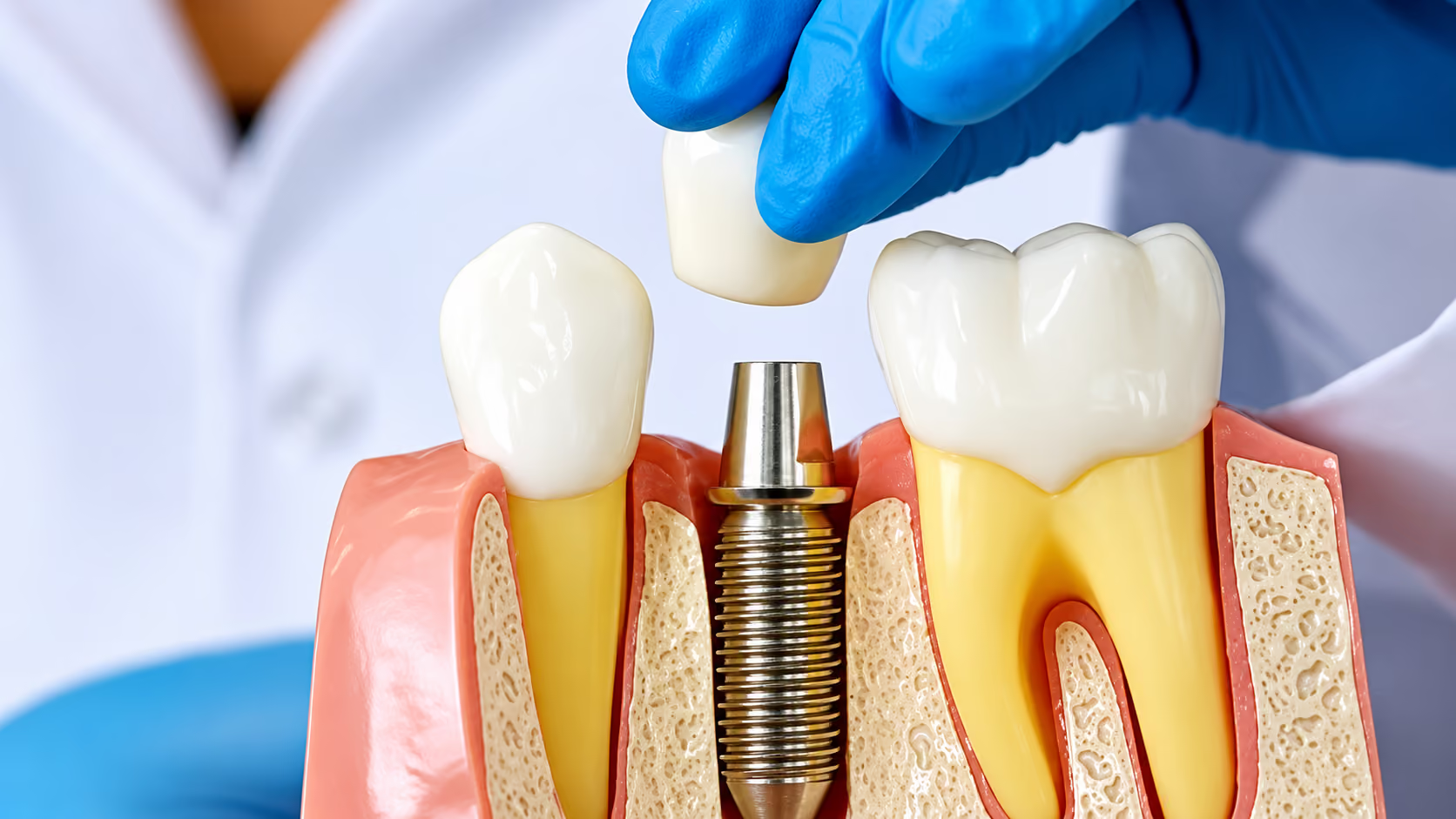
If you are considering dental implants, you may have questions about how they hold up over time. One common concern is whether dental implants can rust, especially because the implant post is placed directly into the jawbone. The good news is that modern dental implants are designed to resist corrosion and do not rust like ordinary metals. Most dental implants are made from titanium or titanium alloys, materials chosen for their strength, durability, and compatibility with the body. With proper placement and ongoing care, implants can provide a stable, long-term solution for replacing missing teeth.
Rust is a form of corrosion that primarily affects iron and steel when they are exposed to oxygen and moisture. Dental implants are generally made from titanium, which behaves differently. Titanium naturally forms a thin protective oxide layer when exposed to oxygen. This layer helps protect the metal underneath from corrosion. Because the oral environment is constantly exposed to saliva, food, and bacteria, choosing a corrosion-resistant material is especially important for dental implants. Titanium is also biocompatible, meaning the body can generally tolerate it well. This allows the implant to integrate with the surrounding jawbone through a process called osseointegration. For patients researching dental implants in Duluth, understanding the materials used in implant treatment can make the decision easier and help set realistic expectations about long-term maintenance.
Although titanium implants are highly resistant to corrosion, no dental material should be considered completely immune to every possible form of damage. Implant complications are more commonly related to factors such as infection, excessive biting forces, poor oral hygiene, bone loss, or problems with the implant restoration rather than rust. The crown attached to the implant can also experience normal wear over time. Depending on the material and your bite, your dentist may eventually recommend repairing or replacing the crown while the implant itself remains securely integrated into the jaw. Regular dental examinations allow your dental team to monitor the implant, surrounding bone, gums, and restoration.
Good dental implants care is important for maintaining the health and function of your implant. Even though an implant cannot develop a cavity like a natural tooth, the gums and bone surrounding it can still be affected by harmful bacteria.
Your daily routine should include:
Proper hygiene is particularly important because inflammation around an implant can affect the tissues supporting it.
Rust is not usually the concern patients need to focus on when caring for dental implants. Instead, maintaining healthy gums and adequate bone support is essential. One condition dentists monitor is peri-implantitis, an inflammatory condition involving the tissues around a dental implant. It can be associated with bacterial buildup and may contribute to bone loss if left untreated. Other factors that may affect implant health include smoking, untreated gum disease, inadequate oral hygiene, certain medical conditions, and excessive forces from grinding or clenching. This is why choosing an experienced dentist in Duluth and following personalized aftercare instructions can be an important part of successful implant treatment.
Dental implants are designed to be a long-lasting tooth replacement option. However, their lifespan can vary from person to person. Oral hygiene, lifestyle habits, overall health, implant placement, bone support, and the condition of the restoration can all influence long-term results. The implant itself may remain functional for many years when properly maintained, while the crown or other restoration may require replacement sooner because it is exposed to everyday chewing forces. Regular checkups give your dental team an opportunity to identify changes early and help protect your investment.
For appropriate patients, dental implants are widely used to replace missing teeth. Their design allows the implant post to serve as an artificial tooth root while a custom restoration provides the visible tooth structure. If you are searching for a dentist near you to discuss replacing a missing tooth, a consultation can help determine whether implants are appropriate for your oral health, bone structure, and individual goals.
You generally do not need to worry about your dental implants rusting. Titanium implants are specifically selected for their strength, durability, and resistance to corrosion. The more important concern is maintaining healthy gums and bone around the implant through consistent oral hygiene and professional dental care. At Duluth Dental Care, patients considering dental implants in Duluth can discuss their tooth replacement options and learn what is involved in implant placement, restoration, and ongoing maintenance. A personalized evaluation can help you understand whether dental implants are right for you and how to care for them for years to come.


.svg)


.svg)